ESSEC Asia Pacific
ESSEC Asia-Pacific’s commitment to developing leaders who serve
When a business school commits to community impact, it sends a powerful signal about the kind of leaders it hopes to shape.
ESSEC Business School Asia-Pacific embeds purpose into how students learn, how faculty engage, and how the school shows up in Singapore. “We are committed to fostering a culture of active community engagement and social responsibility. We want to inspire leaders who drive positive change,” said Vincenzo Vinzi, Dean and President of ESSEC.
As part of SG60 and to mark its 20th anniversary in Singapore, ESSEC Asia-Pacific pledged 2,000 volunteering hours in 2025, its largest volunteerism effort since establishing its campus here in 2005. More than a milestone celebration, the initiative reflects a long-held belief that economics and ethics go hand in hand, and that leadership is most meaningful when it contributes to the common good.
By partnering with the National Volunteer and Philanthropy Centre (NVPC) and community partner FaithActs, a non-profit community care service, ESSEC is demonstrating how educational institutions can integrate purpose into everyday operations through service- and skills-based volunteering that responds to real community needs.
“Through our collaboration with NVPC, we aim to deepen our impact by exploring innovative approaches to corporate volunteerism, particularly around skills-based volunteering,” added Vinzi. “This partnership aligns with our vision of being a school with a global footprint and locally embedded campus, with an ESSEC community united in its diversity, inclusivity, and commitment.”
A shared commitment to Singapore’s communities
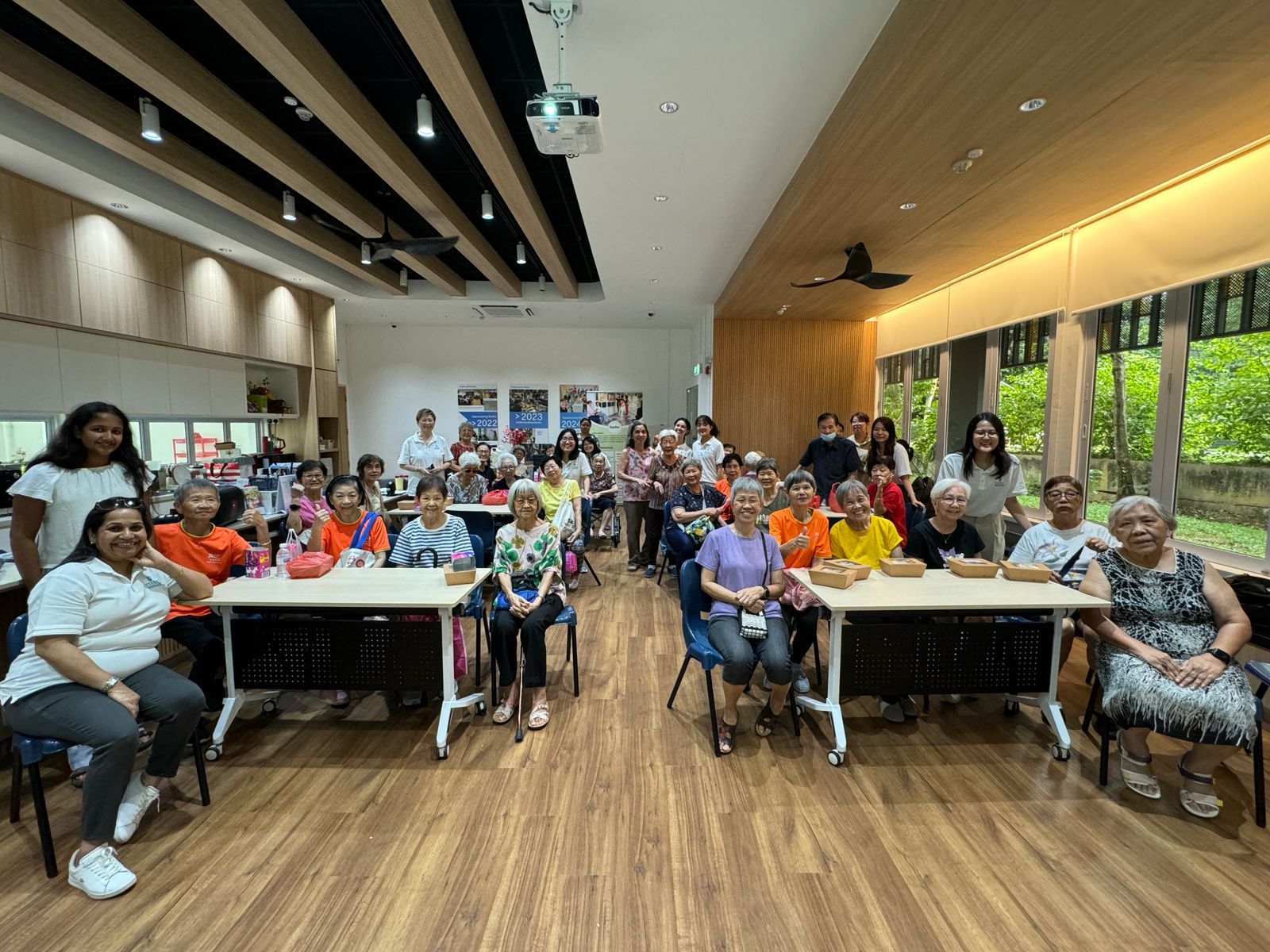
ESSEC Asia-Pacific’s SG60 journey is rooted in Queenstown and Commonwealth, where FaithActs operates an SG Cares Volunteer Centre. Through this partnership, students, alumni, faculty, and staff contribute their time and expertise to support children, seniors, and social service agencies (SSAs) in the neighbourhood.
The scale of the commitment is significant. With more than 500 volunteers involved, ESSEC far exceeded its pledge, clocking 2,700 volunteer hours by the end of 2025. This signals a sustained approach to long-term investment in community building that allows relationships to form, trust to build, and impact to deepen over time.
Importantly, ESSEC and NVPC will examine these efforts through a joint case study designed to surface what works – and what doesn’t – when organisations embark on large-scale, sustained volunteering programmes. This learning-driven approach aligns closely with NVPC’s Corporate Purpose framework and with Company of Good’s (COG) aim to help organisations turn good intentions into action.
As Tony Soh, CEO of NVPC, shared, the collaboration reflects a broader ambition to nurture leaders who see purpose as integral to business success. “By collaborating with institutes of higher learning such as ESSEC, we are nurturing the next generation of leaders who embrace a culture of purpose-driven business excellence and fostering a deeper commitment to societal contributions among our business leaders of tomorrow.”
Two forms of volunteering, one integrated approach
ESSEC’s corporate volunteerism plan is structured in two complementary phases, recognising that meaningful impact often comes from combining hands-on service with applied professional skills.
Phase 1: Service-based volunteering (January-December 2025)
A strong example of this approach is ESSEC’s participation in the Great Singapore Give, a nationwide movement that caps off SG60 in a celebration of giving.
Together with the ESSEC Sustainability Club, students and staff organised an afternoon of “green games” for seniors in Queenstown, combining quizzes, sustainability discussions, and a hands-on gardening session. From turning recycled milk cartons into planters to sharing everyday eco-friendly habits, the event brought environmental awareness and community care together in a meaningful, accessible way.
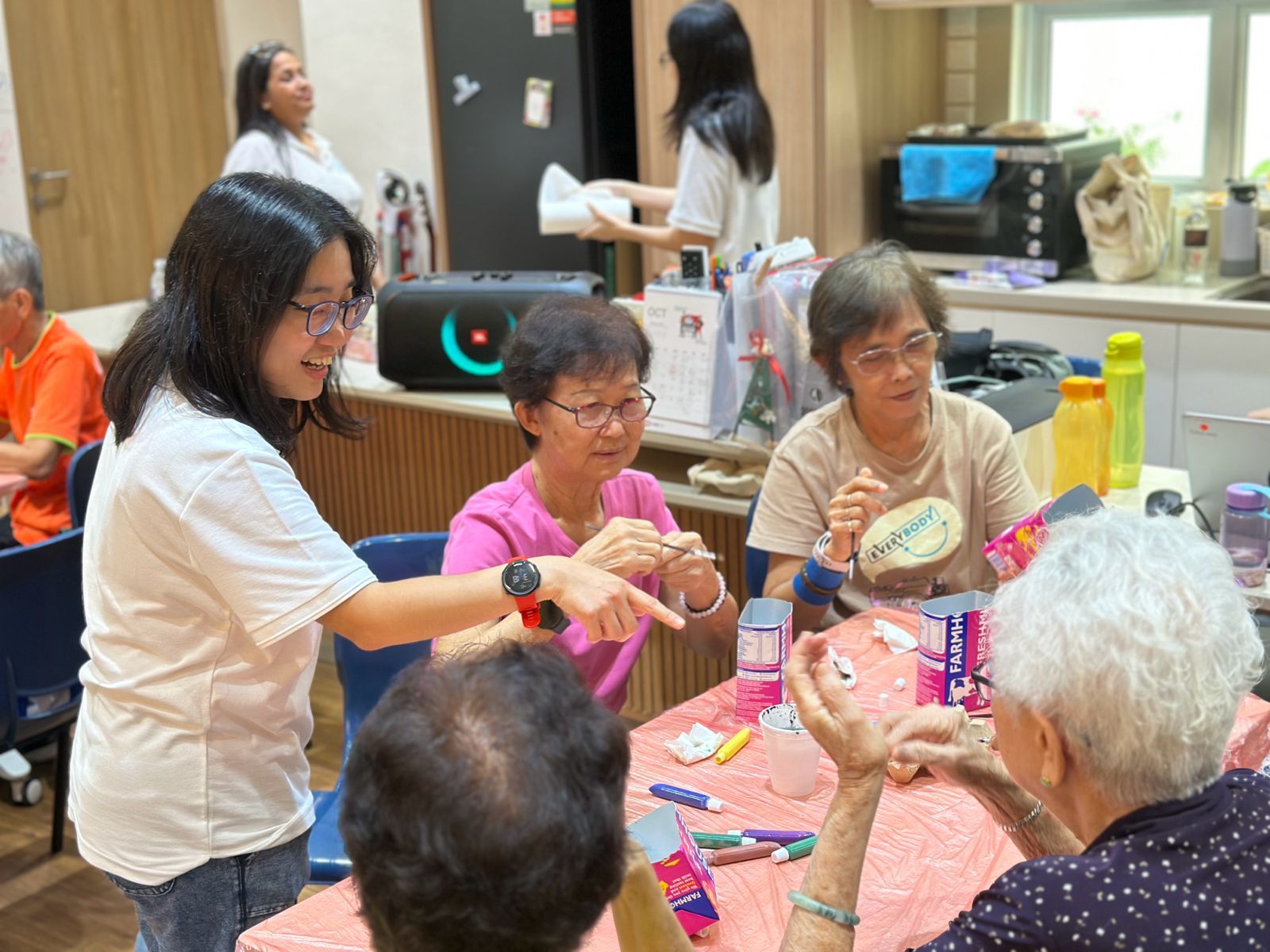
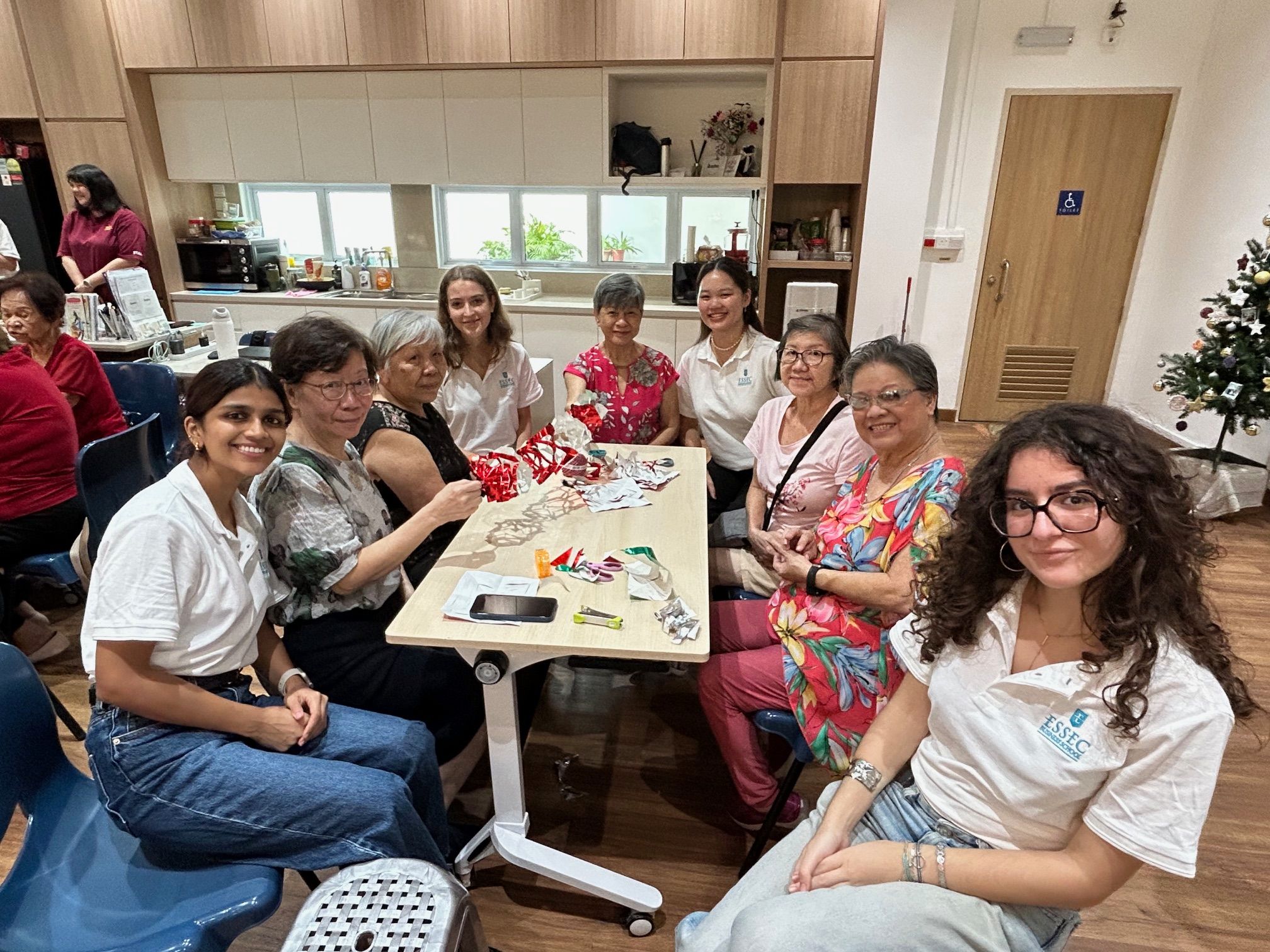
Throughout the year, ESSEC volunteers also participated in regular and ad hoc activities that support children and seniors in the community. These include:
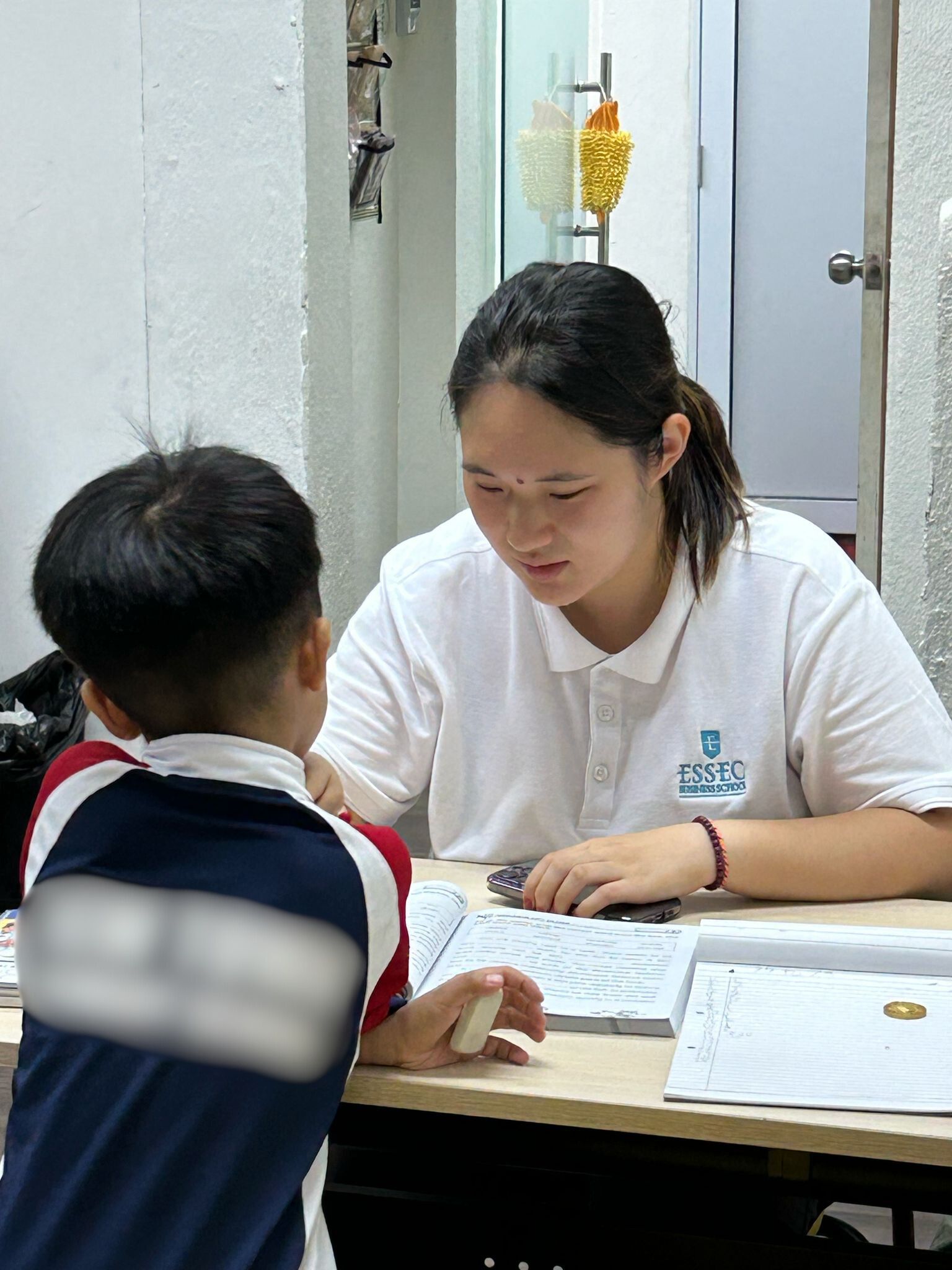
- Weekly or monthly sessions where volunteers accompany children during homework time
- Cooking, arts and crafts, and activity-based programmes for children and elderly residents
- Sustainability-themed activities during occasions such as Earth Day and the Great Singapore Give
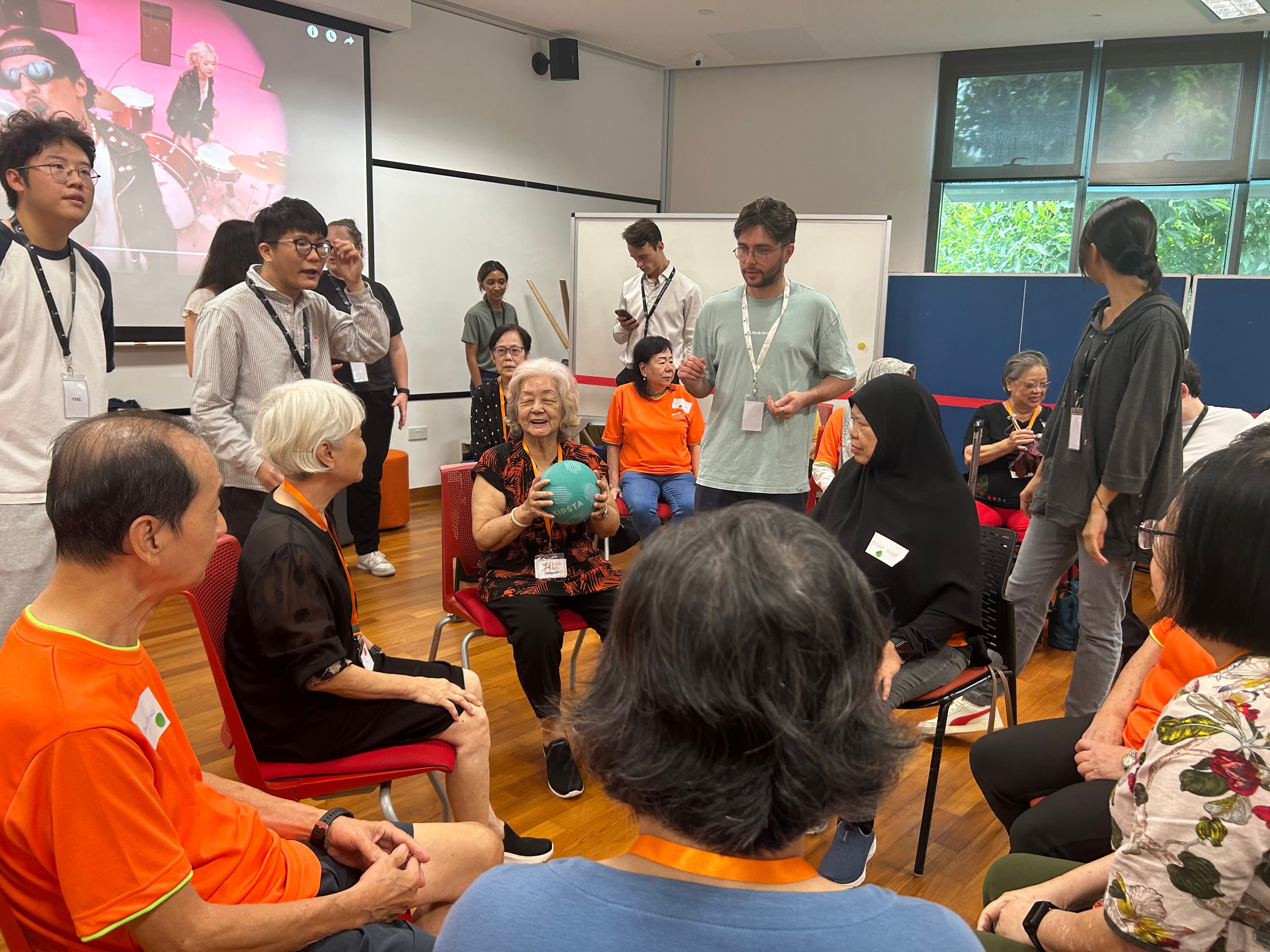
- One-off initiatives, such as inviting seniors to the ESSEC campus for games and light exercises
These activities may seem simple, but their impact is tangible. Children, for example, receive consistent support and encouragement. Seniors feel valued and experience greater social connection. Volunteers, in turn, build empathy and gain a deeper understanding of the communities they serve, often reshaping how they think about leadership and responsibility.
Phase 2: Skills-based volunteering embedded into the curriculum
Where ESSEC’s approach really stands out is its integration of skills-based volunteering into formal learning experiences. Rather than treating volunteering as separate from academic life, ESSEC embeds it directly into its curriculum.
Fieldwork experience (June 2025)
During a four-week fieldwork experience, students complete a minimum of 35 volunteer hours per week for four consecutive weeks. They work directly with beneficiaries and SSAs, with their skill sets carefully matched to organisational needs. This model allows students to apply classroom knowledge in real-world contexts, while charities benefit from sustained, focused support rather than short-term help.
Junior consultant experience (October-December 2025)
In the six-week junior consultant experience, students step into the role of business consultants for FaithActs and other SSAs. They help diagnose organisational challenges and develop actionable solutions across fundraising strategy, talent attraction and retention, and operational efficiency. SSAs gain access to fresh perspectives and business expertise, while students practise purpose-driven leadership by solving problems that matter.
Studying impact to help others do the same
Beyond delivering on-the-ground impact, ESSEC and NVPC are committed to sharing what they learn. A joint case study will be published after the programme concludes at the end of 2025, examining success factors behind large-scale, sustained volunteering initiatives, common challenges in execution, and practical lessons for organisations looking to embark on similar journeys.
By documenting both the highs and the hurdles, the study aims to equip corporates, educational institutions, and other organisations with practical, actionable insights, making it easier for others to design volunteerism efforts that are meaningful, scalable, and sustainable.
“We hope to inspire more organisations and individuals towards purpose-driven impact, utilising their assets, skills, and talents to contribute to a more caring, inclusive, and compassionate society,” added Soh.
Leadership with purpose, in practice
Founded with the mission to “infuse leadership with meaning”, ESSEC Business School demonstrates how business education can be a force for good. Through its Asia-Pacific campus, the school is shaping future leaders by embedding responsibility, inclusiveness, and respect for society and the environment into both learning and action.
By aligning volunteering with its academic strengths, partnering closely with trusted community organisations, and committing to reflect on and learn from the process, ESSEC shows how business schools can create lasting value for communities, all while equipping graduates to lead with purpose in the real world.
Impact snapshot
|