From one bar of soap to a business of doing good
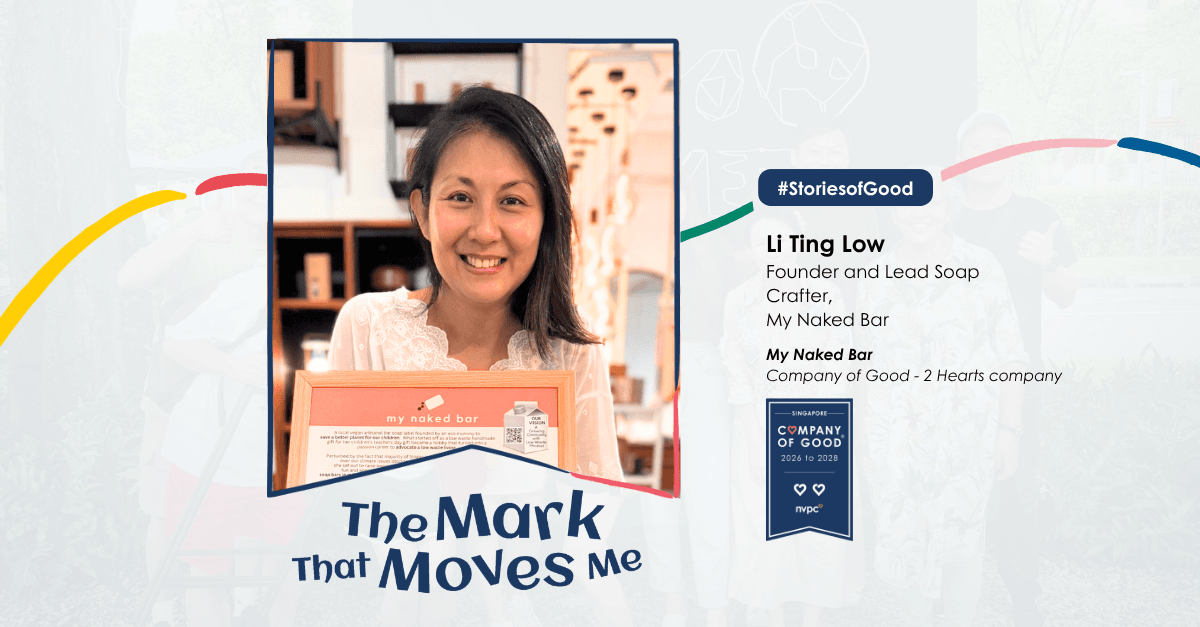
For Li Ting, the idea behind My Naked Bar began with a rather ordinary problem: what do you give someone when you want to show appreciation, but don’t want to give them more stuff?
She was looking for meaningful gifts for her children’s teachers – something useful, thoughtful and unlikely to end up forgotten in a drawer. Soap seemed like a simple answer. “It is useful, consumable and easy to pass on,” says Li Ting, founder and soap crafter at My Naked Bar, a Singapore indie brand of handcrafted, cold-process vegan soap bars.
What started as a gifting idea soon grew into something larger. Family and friends told her that the soaps had helped their sensitive skin. At the same time, Li Ting was becoming concerned about overconsumption and the waste generated by everyday purchases. She began to wonder: could a humble bar of soap do more than clean?
Seven years later, that question continues to shape how My Naked Bar operates, from the way its soaps are packaged to the opportunities the company turns down or pursues. For Li Ting, this is at the heart of what it means to be a “Company of Good”: making positive impact part of how a business operates every day, rather than something it does only occasionally.
Challenging the default, one milk carton at a time
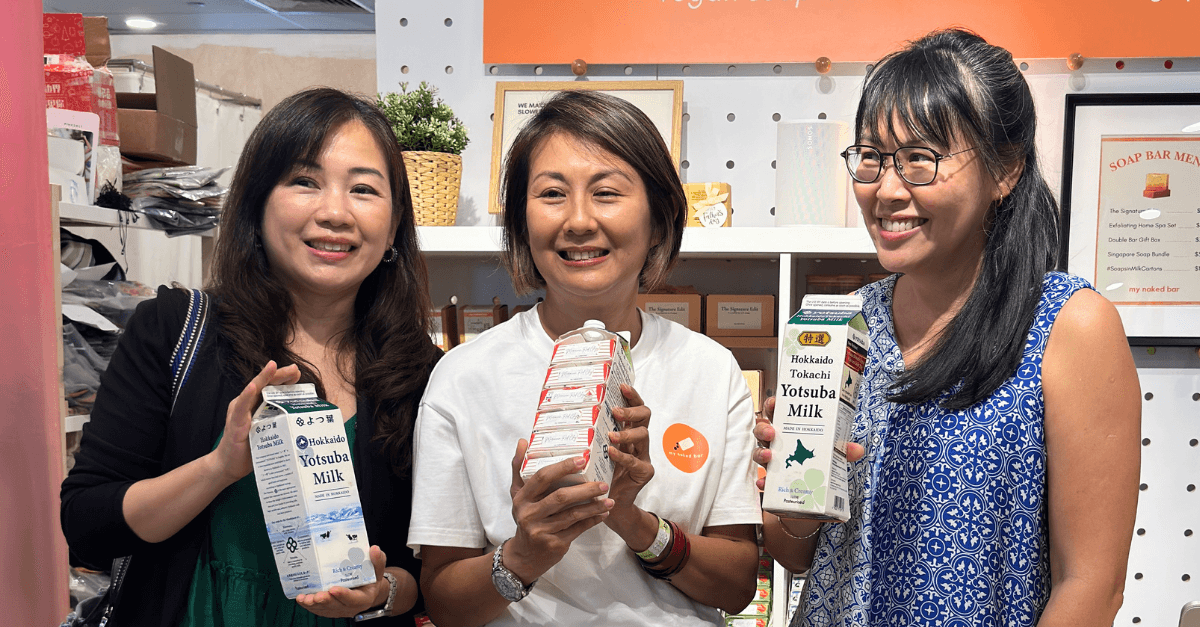
My Naked Bar is known for packaging its soaps in upcycled milk cartons. Yet they were never just a quirky design feature – they were part of the business’s purpose from the beginning. As a “Company of Good”, My Naked Bar believes its products, decisions, relationships and use of resources should all reflect the impact it hopes to create.
“When friends and family first heard that I planned to use upcycled milk cartons as packaging, their immediate question was: ‘How are you going to scale?’” she recalls. Many encouraged her to reconsider, but Li Ting saw the packaging as a way to start conversations about waste and show that familiar things could be approached differently.
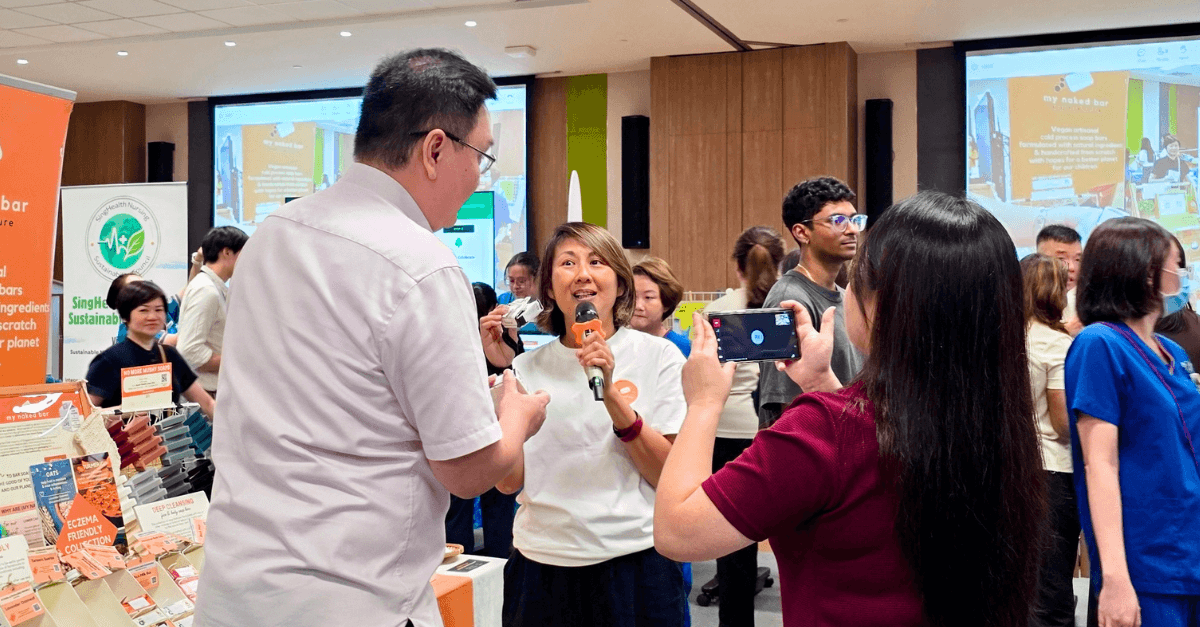
This philosophy included defining success differently, too. Coming from corporate life, she had been accustomed to environments where revenue, profit, efficiency and targets were central measures of performance. At My Naked Bar, she wanted those measures to sit alongside another question: What good can the business do with the resources it has?
“It can be unnerving to stand alone on a path that others view with apprehension,” she admits. There were also questions about why she had left corporate life for work that could involve frontline selling, physical labour and long hours.
But Li Ting says she hasn’t regretted it. “Each day, I feel alive knowing that I can keep improving what we do, challenge what can be done better and contribute in a way that feels meaningful,” she says.
Turning customers into participants
Over time, those milk cartons have become more than packaging. Through My Naked Bar’s #SoapsInMilkCartons initiative, Singaporean families rinse, dry, collect, and drop off their used milk cartons, which can then be repurposed as soap packaging.
It’s a practical form of participation: people don’t need specialised knowledge of sustainability or a major lifestyle overhaul to contribute, since they can simply start with something they already have at home. “My voice for the planet may be small, but our unconventional packaging has given us a unique way to find and rally people who share the same belief,” she says.
One person saving a milk carton may seem insignificant, but Li Ting sees value in the conversations that can follow. A contributor may prompt a family member to take notice, tell a friend about the idea or reconsider something they usually throw away. Together, these small acts can create a ripple of change.
The same thinking shapes My Naked Bar’s approach to gifting. Returning to the problem that first inspired the business, Li Ting advocates what she calls ‘impact-positive gifting’, that is, choosing useful, consumable or thoughtful items that create value beyond the moment they’re given. For businesses, that can mean asking not only whether a corporate gift looks impressive, but whether recipients will actually use it – and what happens to it afterward.
When doing good meets business reality
“Financial viability is what allows a small business like ours to continue doing good, but purpose determines how we pursue that viability,” she explains. So, when considering a new idea for My Naked Bar, she asks whether it meets a genuine need, cares for the customer, works in practice and creates impact without generating unnecessary waste.
Equally important, Li Ting considers whether the business has the capacity to deliver it properly. This reality has sometimes meant turning down profitable opportunities, delaying launches or resisting the temptation to introduce new products for the sake of novelty.
But purpose-led decisions aren’t always straightforward, and My Naked Bar’s milk-carton model is a great example of this. Collecting milk cartons only makes sense if enough soap is sold to keep them moving through the system. Too many milk cartons without sufficient demand can create another problem rather than solve one.
Li Ting, therefore, has to balance milk carton supply, soap production, sales and community participation, all within the limited resources of a small business. “The right decision is rarely the most idealistic or the most profitable in isolation,” she says. “It is the one that protects the purpose while keeping the business healthy enough to continue.”
And when the answer isn’t obvious, she favours small tests, honest communication and practical progress over pretending the business has achieved perfection.
What it means to be a "Company of Good"
Building My Naked Bar has changed Li Ting’s idea of what a good business looks like. Today, she believes it should create value in several directions at once: by serving customers well, treating people with respect, strengthening the community and taking responsibility for the resources it uses.
And size, she says, shouldn’t determine whether a company can contribute. “A nano-SME like ours may not have the financial or manpower resources of a large corporation, but it can still use its craft, platform and community to make a meaningful difference,” she explains.
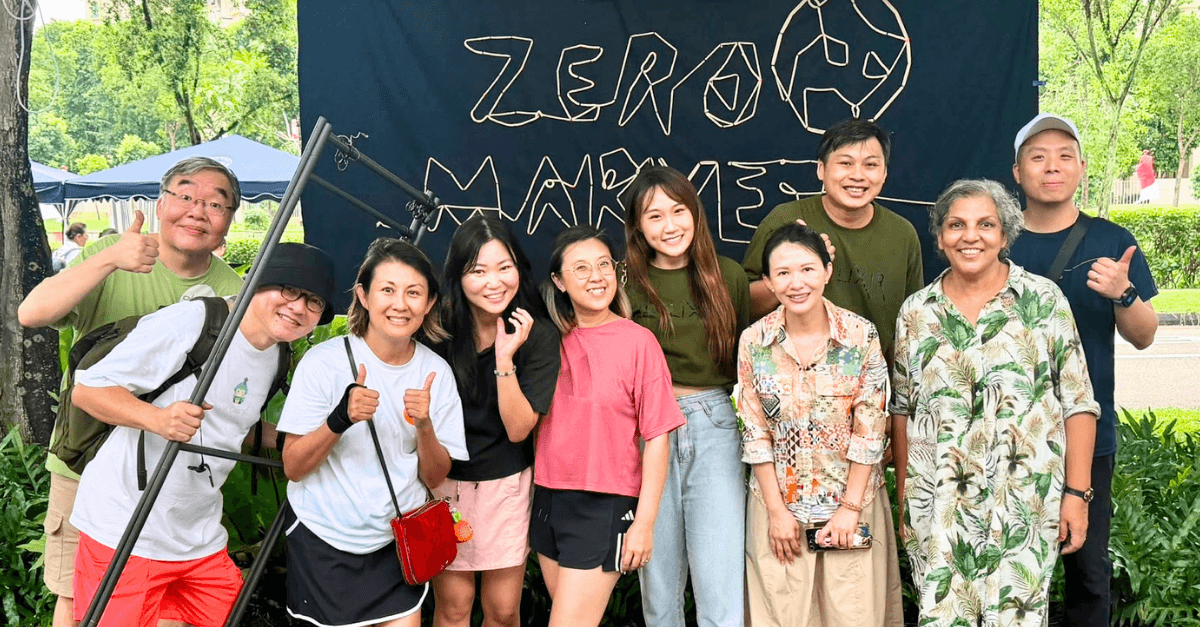
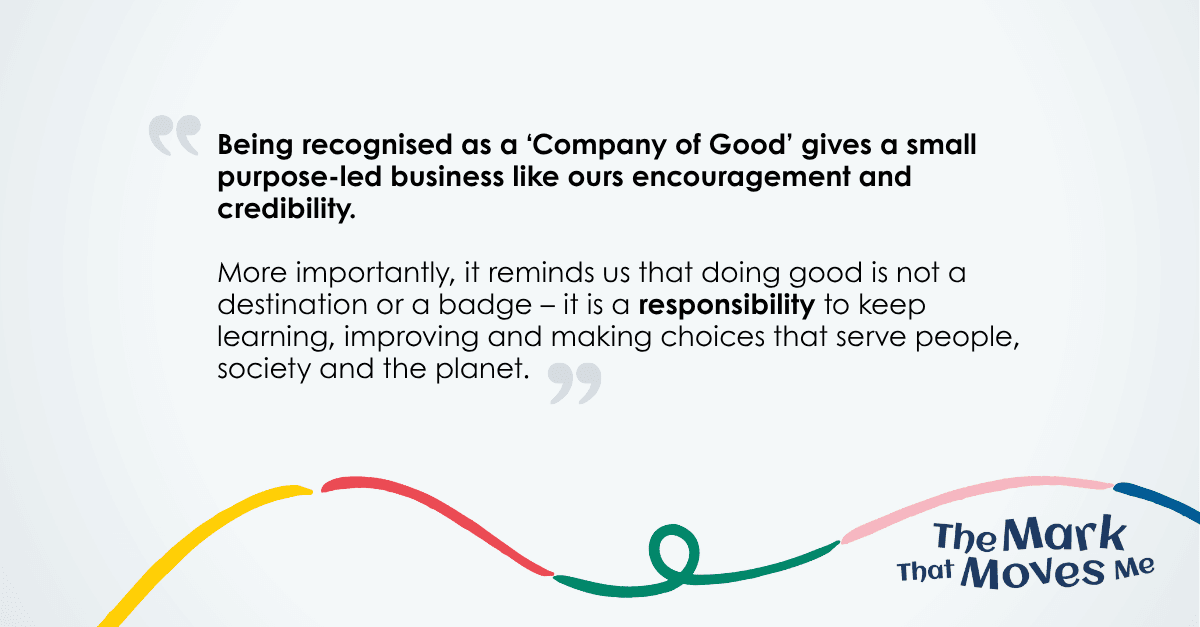
For Li Ting, being recognised as a “Company of Good” is less about reaching a finish line than accepting an ongoing responsibility to keep improving.
A single bar of soap and an empty milk carton may seem small, but My Naked Bar’s story shows what can happen when a business turns purpose into practical, everyday actions that others can carry forward, one choice at a time.
Read more #StoriesofGood here : COG 10 A Decade of Doing Good